VISIONS OF THE FUTURE
IN LITERATURE
Hello! We are Meera, Dals, Aiman and Meen from G3 for the LitEx presentation.
What is the future? What do you think will happen to the world in 10, 20 or even 50 years ahead?
Below is a collection of 5 poems from 5 different poets that talk about the vision of the future.
Poem Collection
Members of G3




Desktop View
From the left
Aiman, Meera, Dals and Meen.
Phone View
Top left to top right
Aiman and Meera
Bottom left to bottom right
Dals and Meen
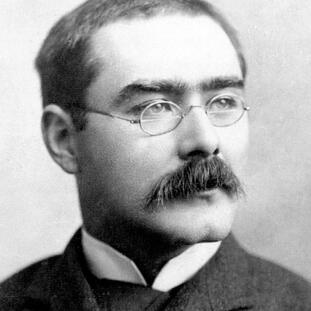
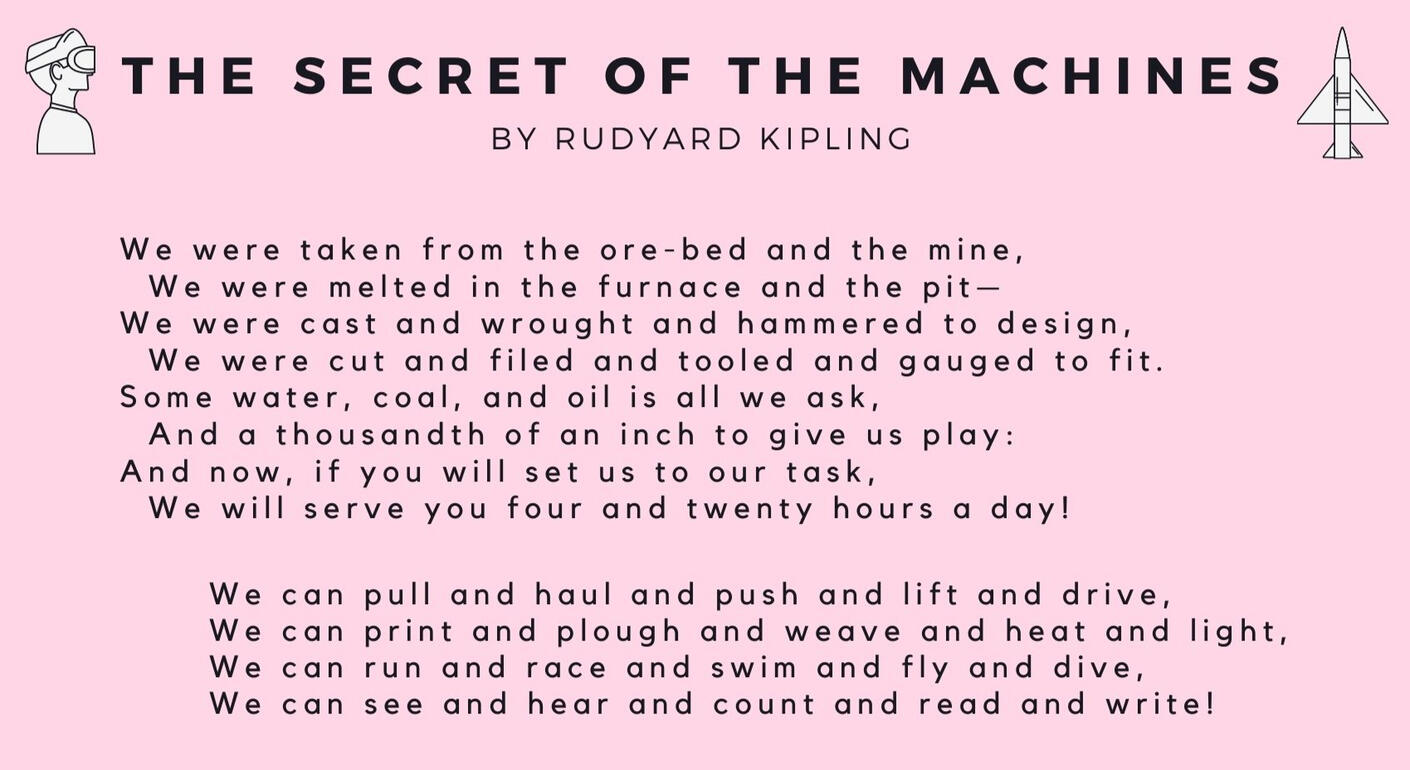
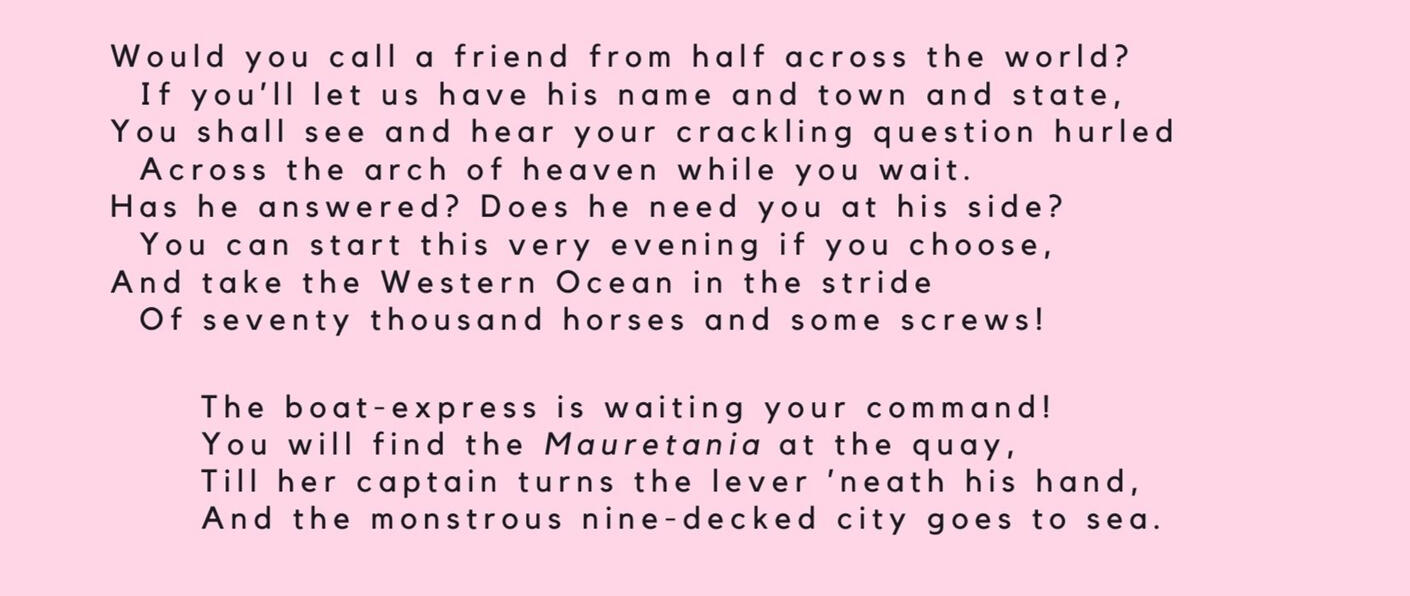
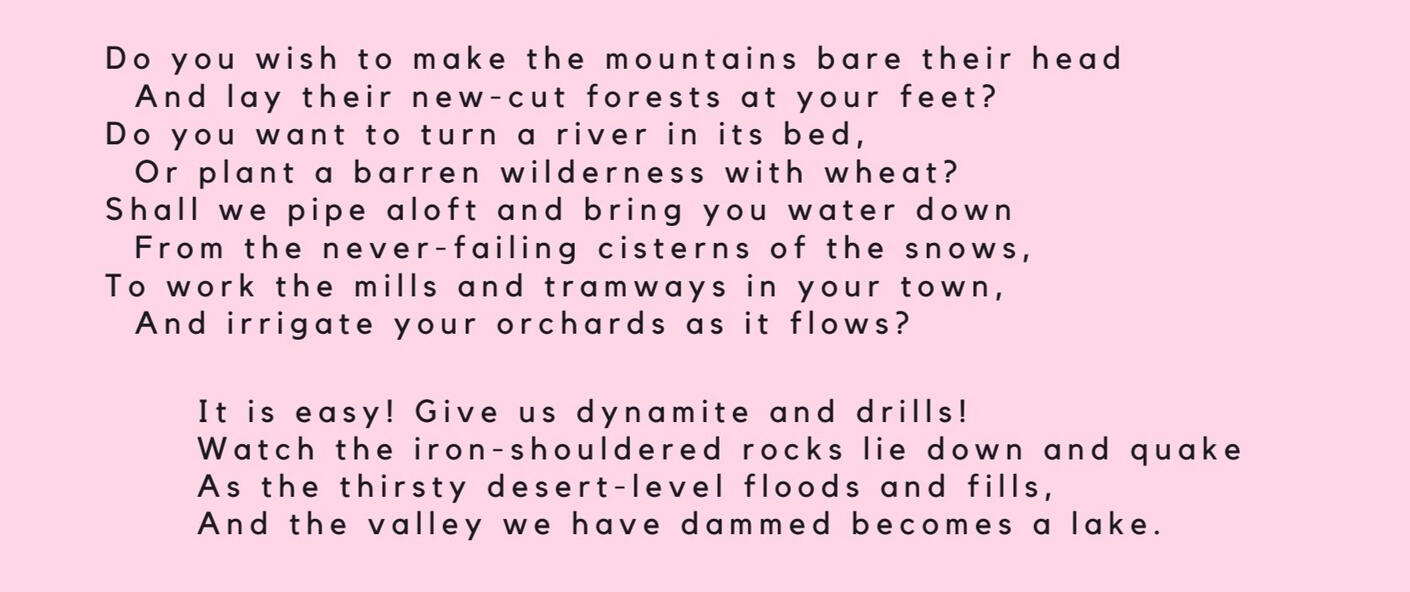
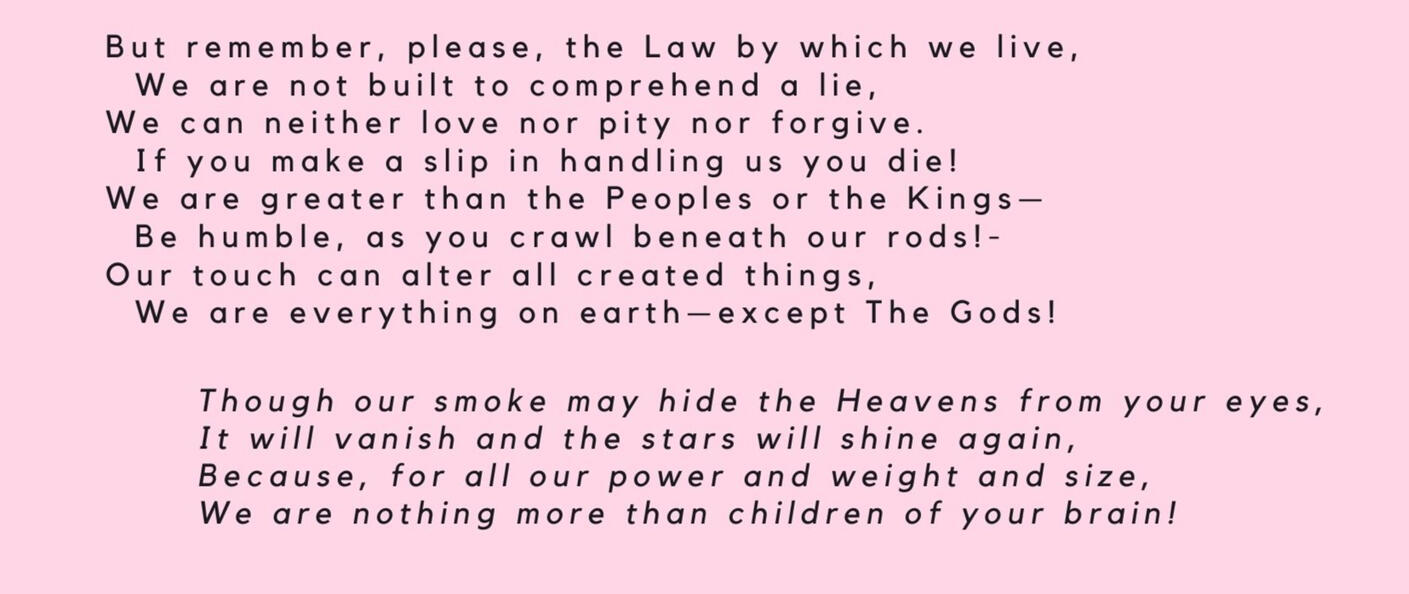
THE SECRET OF THE MACHINES
by Rudyard Kipling
Interpretation
Machines and Humanity
The poem deals with the problem of modern technology and automation.
In the beginning the reader gets informed about how machines are produced and what treatment they need. Afterwards the machines explained how they can serve humanity.
THEME
The Importance of Machines in Our Life
The once efficient machine, your friend and servant, has become your enemy.
It is very important not to over cross the limits and think rational about machinery. We shouldn't give machines so big responsibilities, per se, automatic control of space shuttles with humans inside.
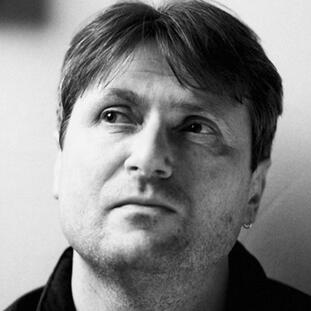
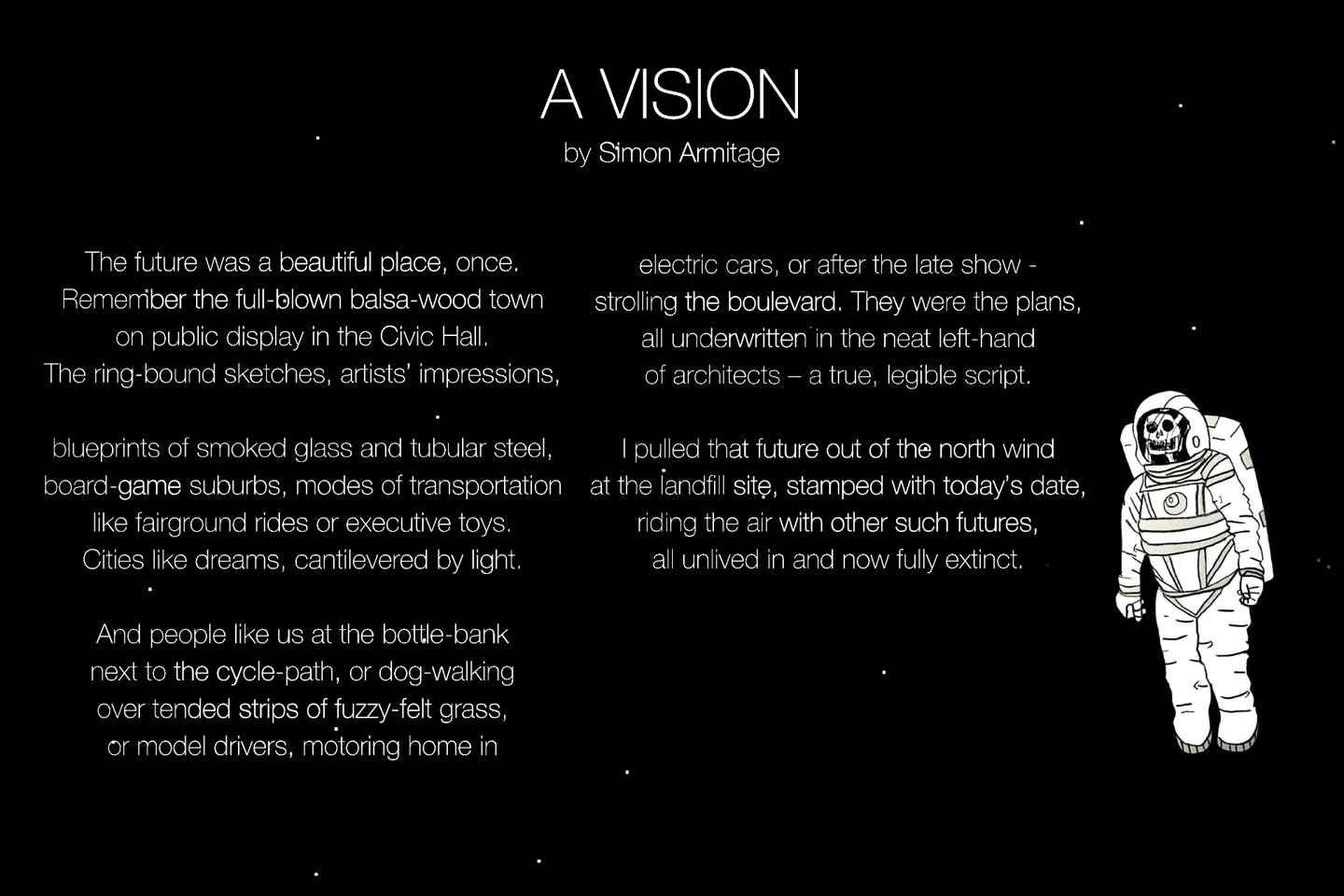
A VISION
by Simon Armitage
THEMES
Hopes and Dreams
The plans were not just for buildings but also for a new way of life. But the planners' vision was unrealistic and couldn’t come true. The poet portrays the present negatively, while the future was potentially “stamped with today’s date”, so that the plan would be “now fully extinct.” The poet invites readers to question the past and its hopes and aspirations, and compare it to how it evolved into the present. This gives rise to unsatisfactory statements - will our future be better?
The Environment
Some of the plans concern the environment. The poet talks about “bottle banks”, “electric cars” and “cycle paths”. But ironically, these plans were to end up in harmful landfill sites. Armitage is suggesting that we aren’t sufficiently environmentally aware.
Government and People
The poet describes the planners as being no connection with the people. The plans include toy-like models of people; their lives are nothing like real urban, city life. On paper they look interesting and promise a new and better way of life. Some proved successful, though not without their problems. Others didn’t get built. Some multi-storey developments within cities proved unpleasant to live in, un-conducive to community spirit and became breeding grounds for crime. A few were demolished completely in the 1980s and 1990s to the cheers of their disappointed inhabitants.
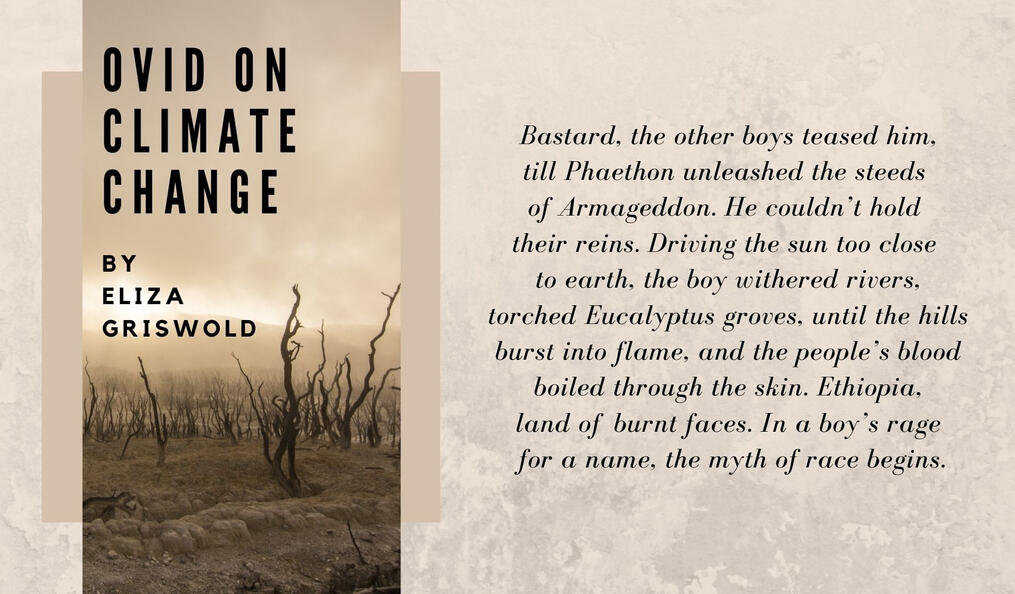
OVID ON CLIMATE CHANGE
by Eliza Griswold
THEME
Destruction of Nature
The poet tells the story of Phaethon. the son of Apollo (God of the Sun), that drove the chariot of the Sun. Apollo warned his son, telling him that the chariot was too dangerous, even Zeus (God of the Sky) would not drive it. However, Phaethon went on with what he wanted. The chariot burnt the Earth and dried the rivers. In a way, Eliza Griswold reimagines the old myth as the future of the irresponsible mankind who heeds no warning of the destruction of Earth by their own two hands.
Pride as Downfall
Phaethon was too eager to prove everyone wrong. In this poem, he wanted to prove it to those who mocked him. In the original story, he wanted to prove it to his father too. However, his pride became the cause of demolition of nature. He lost control of the horses' reins and burnt the Earth.
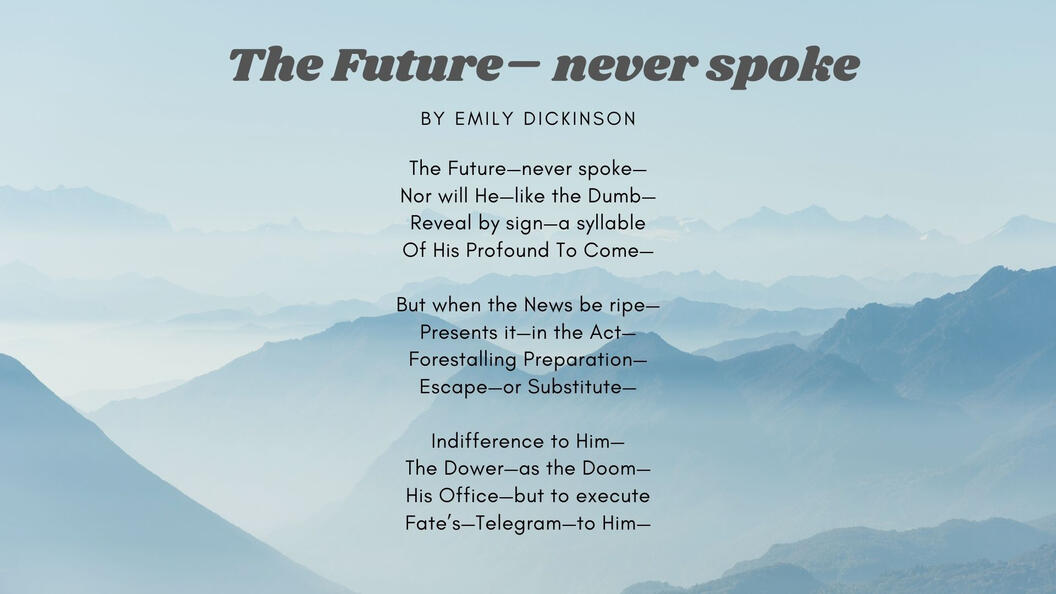
The Future– never spoke
by Emily Dickinson
THEME
Unknown Future
The future, personified in this poem as some form of sentient entity, refuses to reveal to us what is going to happen. The future is unpredictable. There is no sign-language used by the future to tell us what it would be like. The future only shows its hands when ‘Future’ had already happened.
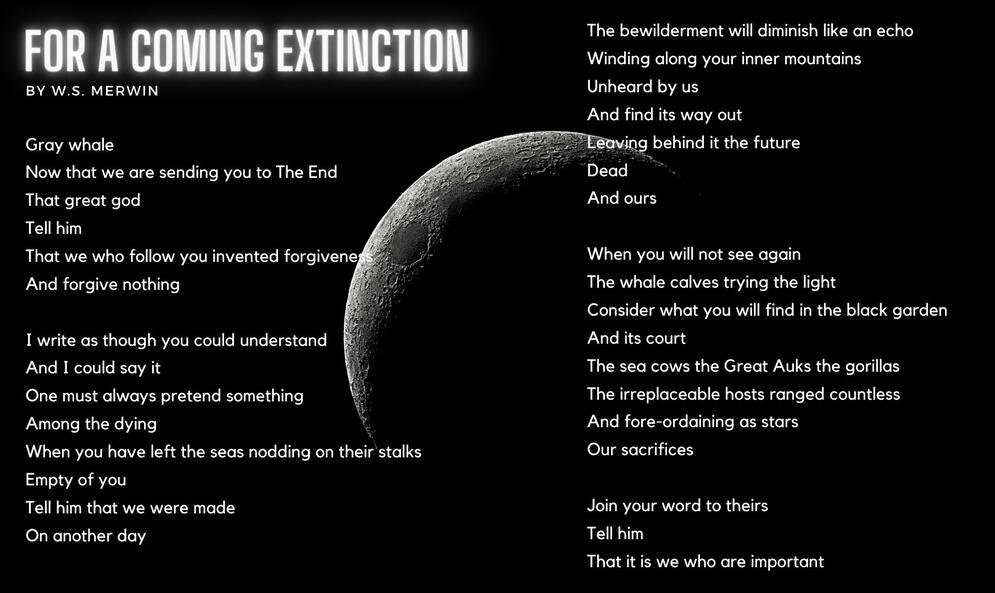
FOR A COMING EXTINCTION
by W. S. Merwin
THEMES
Extinction of Sea Animals
The poem talks about more than one persona who mercilessly kills sea creatures. In further stanzas, it also hinted that the sea will be empty of whales and other animals alike.
Humanity's Greed and Selfishness
In the first stanza, the line "we are sending you to The End" indicates that it is the group of personas that forcefully take the life of a Gray whale. Taking the lives of sea creatures is usually for one's self-benefit financially. For instance, the act of selling whale meat in the market or restaurant. However, humans also will face the consequences of their actions, as nature's ecosystem will be thrown off-balance and will affect a human's daily life in the near future.